

Finding Your Way Back to Yourself
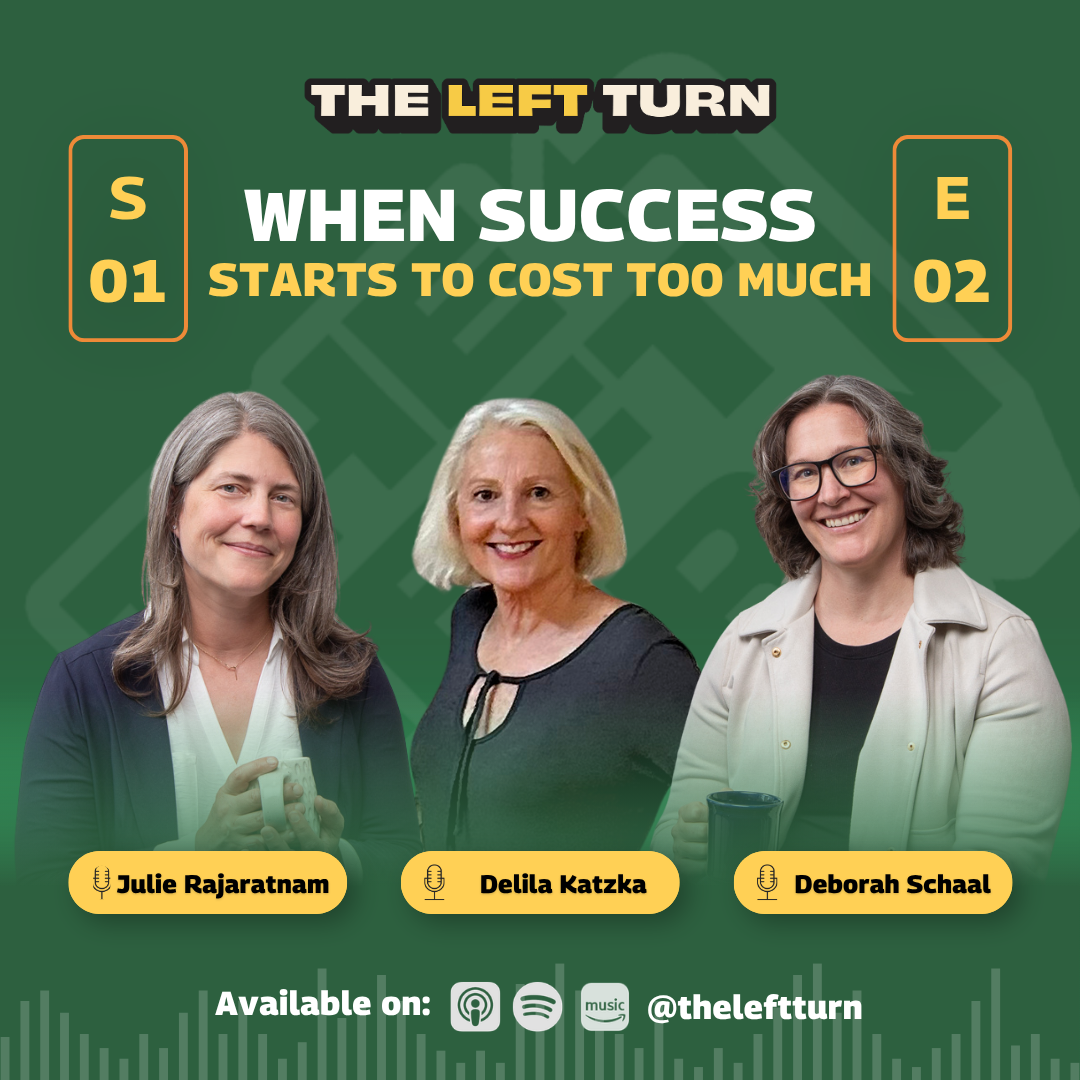
When Success Costs Too Much
What happens when you’re good at your job, successful by every visible measure, and still feel like something essential is being lost?
Delila Katzka Dale’s path has moved through corporate work, art, long haul trucking, a return to corporate life, and eventually retirement. There was no single dramatic pivot or perfect arrival.
Instead, her story asks a more complicated question: How do you build a life without losing yourself inside the things you’re good at?
Meet Delila
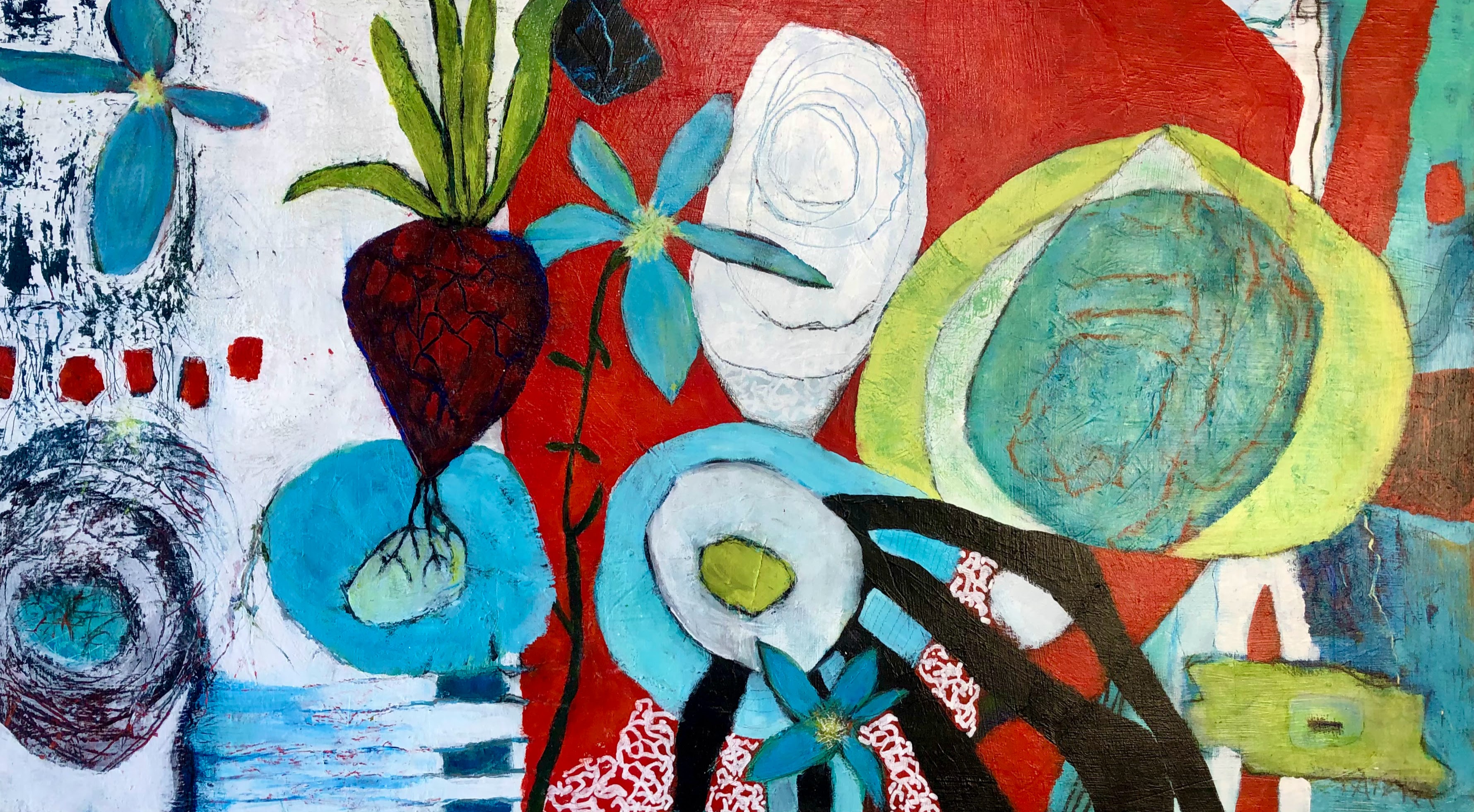
Delila Katzka Dale spent sixteen years at Boeing as a systems analyst before leaving to make art full time. In Washington, D.C., she found her way into an arts community, began exhibiting and selling her work, and eventually opened a gallery and studio on Capitol Hill.
Her path didn’t move in a straight line. When art income became less sustainable, she earned a commercial license and drove long haul freight. She later returned to corporate work in project management and continuous improvement, first at Seattle Children’s Research Institute and later at Nordstrom, eventually retiring in 2017.
Delila has painted under her own name since 2001 and now lives in Edmonds, Washington.
Her story isn’t about one Left Turn, but several including returning to work she had already decided to leave.
When Success Starts to Cost Too Much
Delila was good at corporate work. She was capable, dependable, and willing to take on responsibility.
But being successful didn’t mean the work felt sustainable.
Looking back on her first corporate chapter, Delila describes what the work was costing her as her “lifeblood.” She had tried different roles and even leaves of absence, but kept returning to the feeling that she didn’t want to spend her life in work that no longer felt rewarding.
Leaving opened the door to art but freedom came with practical realities. Art didn’t always provide enough income. Truck driving became one experiment. Returning to corporate work became another.
And when Delila returned, she promised herself she would approach it differently.
She wouldn’t need to be the top performer. She would do good work, earn what she needed, and preserve more of herself outside the job.
But the recognition that came with being capable was difficult to resist.
Promotions, new responsibilities, and being the person others trusted to deliver pulled her back toward the same pattern of overperformance.
From the outside, she looked successful.
What wasn’t visible was the cost of maintaining it.
Who Gets to Decide Who You Are?
There was another identity Delila had trouble claiming.
Artist.
She was already creating work, exhibiting, selling pieces, and building artistic communities. Still, calling herself an artist didn’t come naturally.
That began to change after she won awards and nearly sold out a solo exhibition. Other people started recognizing her as an artist and eventually she began recognizing herself that way too.
It raises one of the most interesting questions in Delila’s story:
How much of who we believe ourselves to be depends on someone else recognizing it first?
Recognition had mattered in corporate life, too. Being seen as capable encouraged her to take on more. In the art world, being seen as an artist helped her claim an identity that had been difficult to name for herself.
Different worlds. A surprisingly similar tension.
Freedom Keeps Changing Shape
Delila’s story doesn’t end with leaving corporate work, becoming an artist, or even retiring.
Each change brought another negotiation between work, money, creativity, family, responsibility, and independence.
Looking back, she wishes she had understood earlier that while money matters, there is something else worth protecting:
“keeping who you are sacred in any situation.”
She also acknowledges how difficult that can be: “I lost who I was multiple times.”
There is no clean formula in Delila’s story. No single turn that finally resolves everything.
Instead, it leaves us with a question:
How do you remain connected to who you are while navigating everything a life asks you to carry?
Maybe freedom isn’t a fixed destination.
Maybe it’s a question we keep answering differently.
Listen to Delila’s full conversation on The Left Turn.
[Spotify, Apple Podcasts, Amazon Music]
Invitation
Interested in being a guest? Or know someone who might be? Send them this link. Nominate a guest.


Stay connected to new conversations